How a New Steel is Made
The New ALLOY
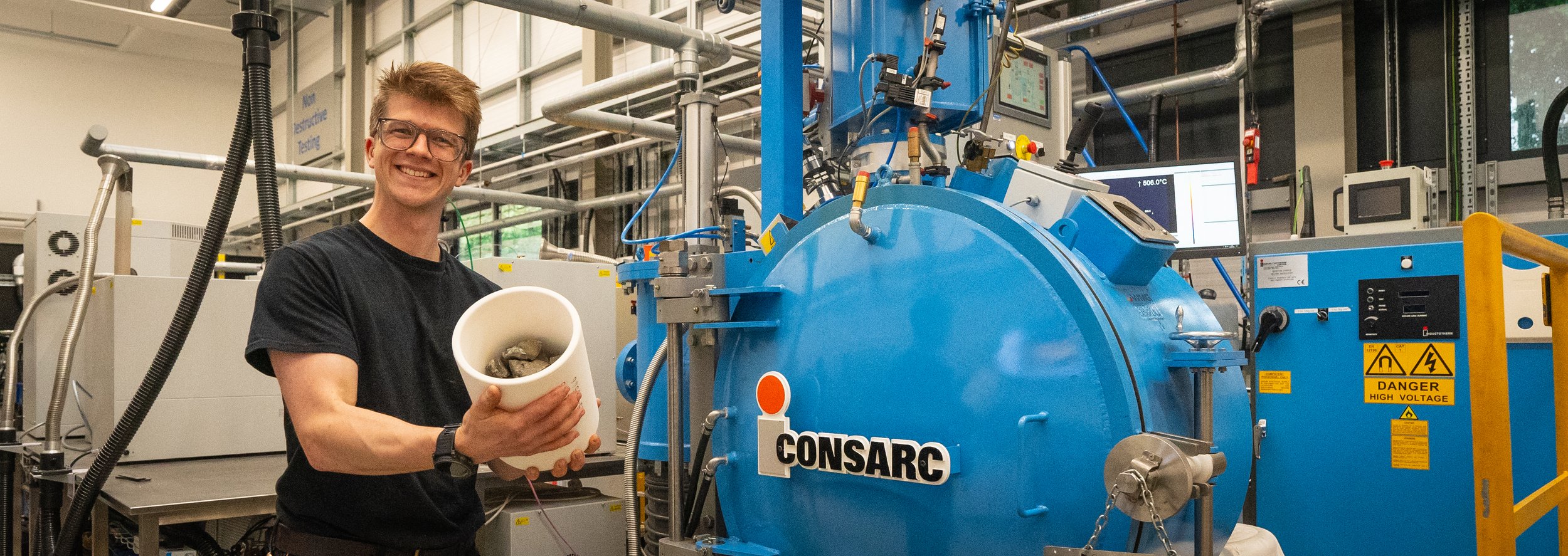
The Warwick Manufacturing Group at The University of Warwick invited me to their lab to learn how new steel alloys are designed and made by making me a custom steel alloy for improved damascus aesthetics and performance.
An enourmous thank you is owed to the team for their work in preparing this alloy and this visit for us to document in a YouTube video that covers an incredibly broad range of topics in steel metallurgy.
The brief was to attempt to develop an alloy for improved bright layer contrast in modern pattern welded/Damascus steel. It was based on 15N20, the most commonly used “bright alloy”. The hope was the new steel would polish better and etch less to reveal more contrast with the commonly used 1080 steel in pattern welded/damascus steel.
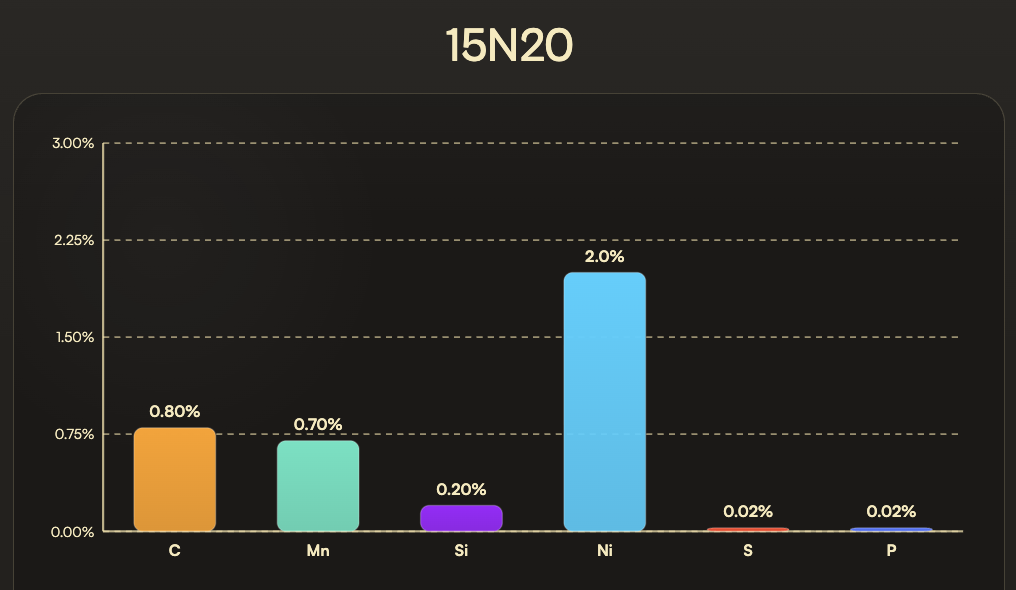
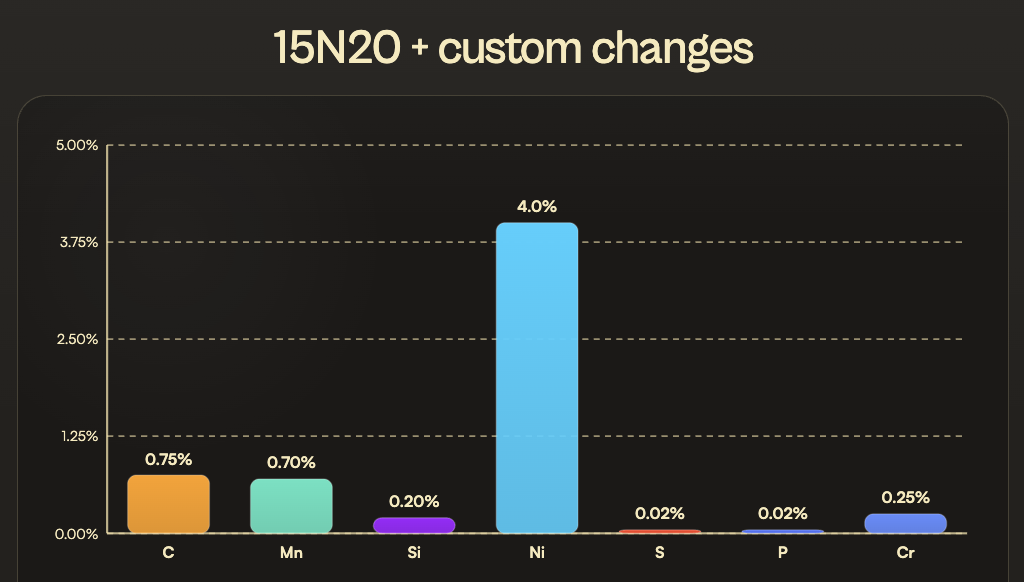
Professor Carl Slater and the team decided to add 4% Nickel and 0.25% Chromium to hopefully achieve these goals. It was explained to me that raising these alloying component percentages would have an effect on hardenability of the resulting steel. 15N20 has been designed to fully transform from Austenite to Martensite (hard steel) well above room temperature. The new alloy increased the hardenability and pushed the Martensite start and end points to much lower temperatures. The resulting CCT curves suggested 90% Martensite transformation would be around 10ºC. This was a perfect compromise as it meant a cryogenic treatment to more completely form Martensite should in principle be possible in a standard freezer.
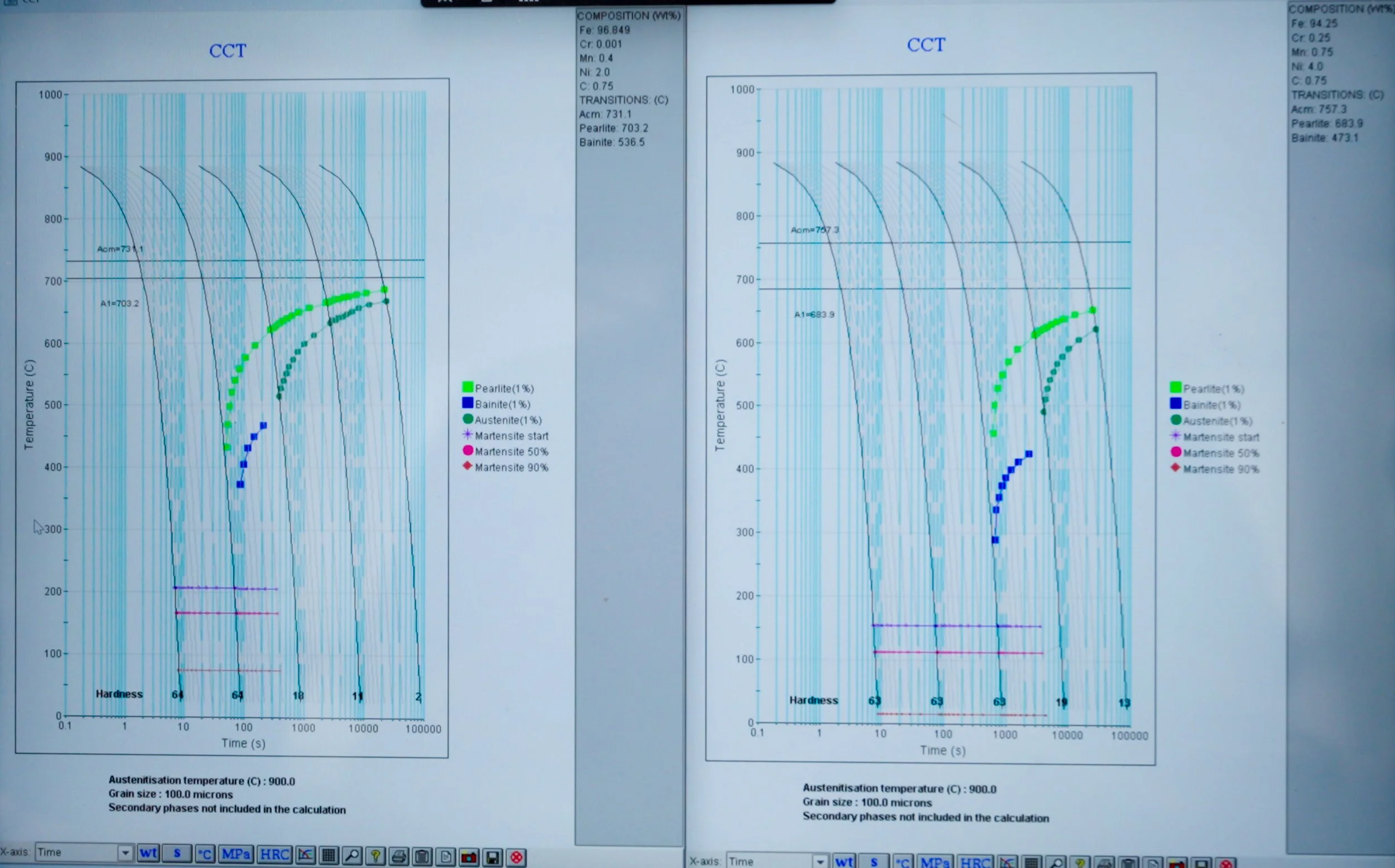
CCT Curves for 15N20 (left) and the new alloy (right). See the different temperatures for Martensite Start and 90% Martensite. With 15N20 Martensite Start is 205ºC and 90% is 60ºC.
With the new alloy, Martensite Start is 150ºC and 90% is 10ºC.
Note how much longer the window for Martensite start is. 15N20 it is around 10-400 seconds. With the new alloy it is 10-5000 seconds. This means the new alloy has a much greater hardenability as it will transform into Martensite with more than 10x longer cooling times.
Heat Treatment
After casting and rolling. 5 samples were prepared and heat treated. They were heated to 1000ºC for Austenitising. In this state, the internal structure had transformed to Austenite which is the starting point for most heat treatments of steel.
Furnace cooled: Left in furnace to slow cool. In my videos I call this annealing.
Air cooled: Removed from the furnace and cooled in still room temperature air.
Water cooled: Removed from furnace and cooled in room temperature water.
Air Cooled and then placed in a standard freezer for 2 hours.
Air cooled and then placed in Liquid Nitrogen.
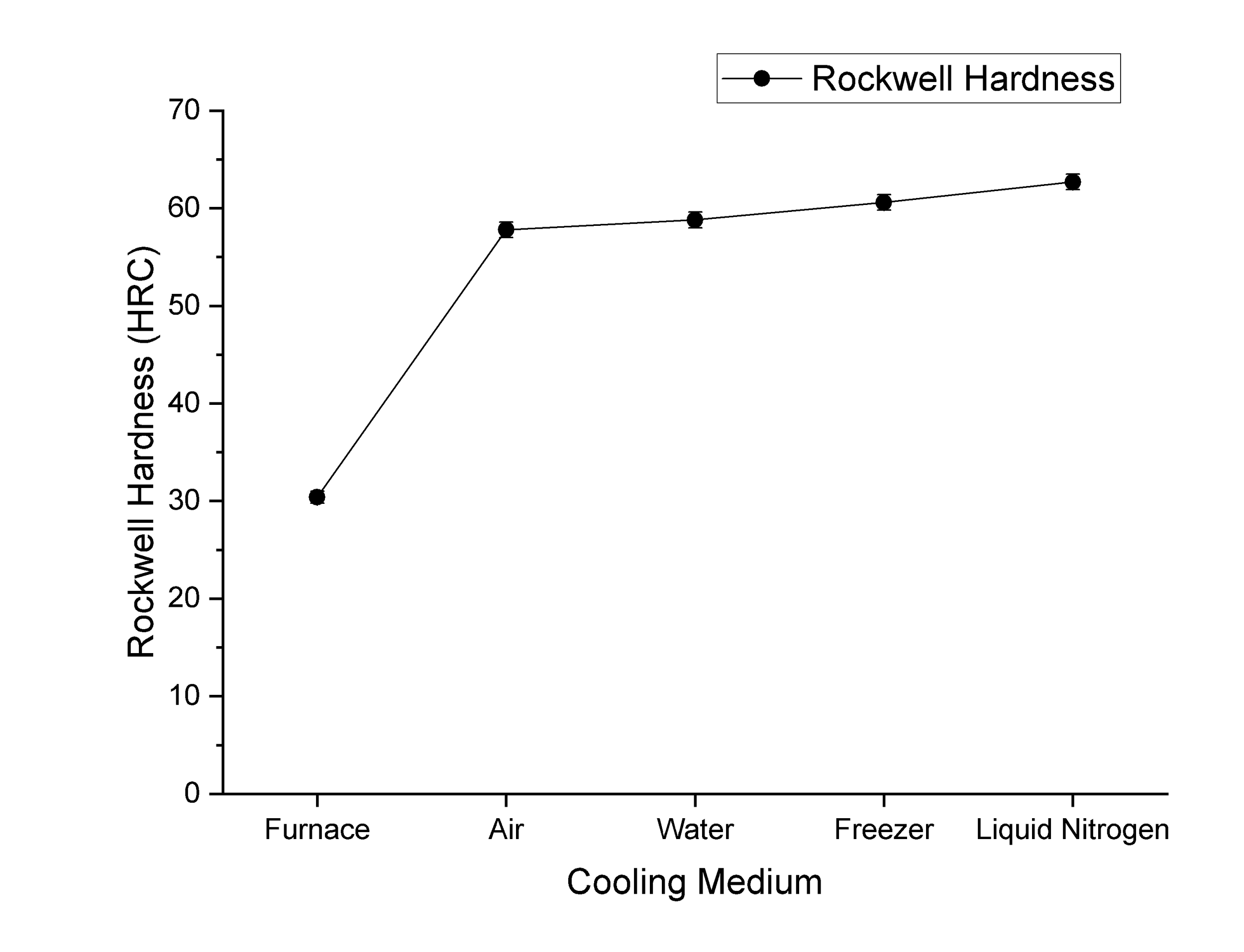
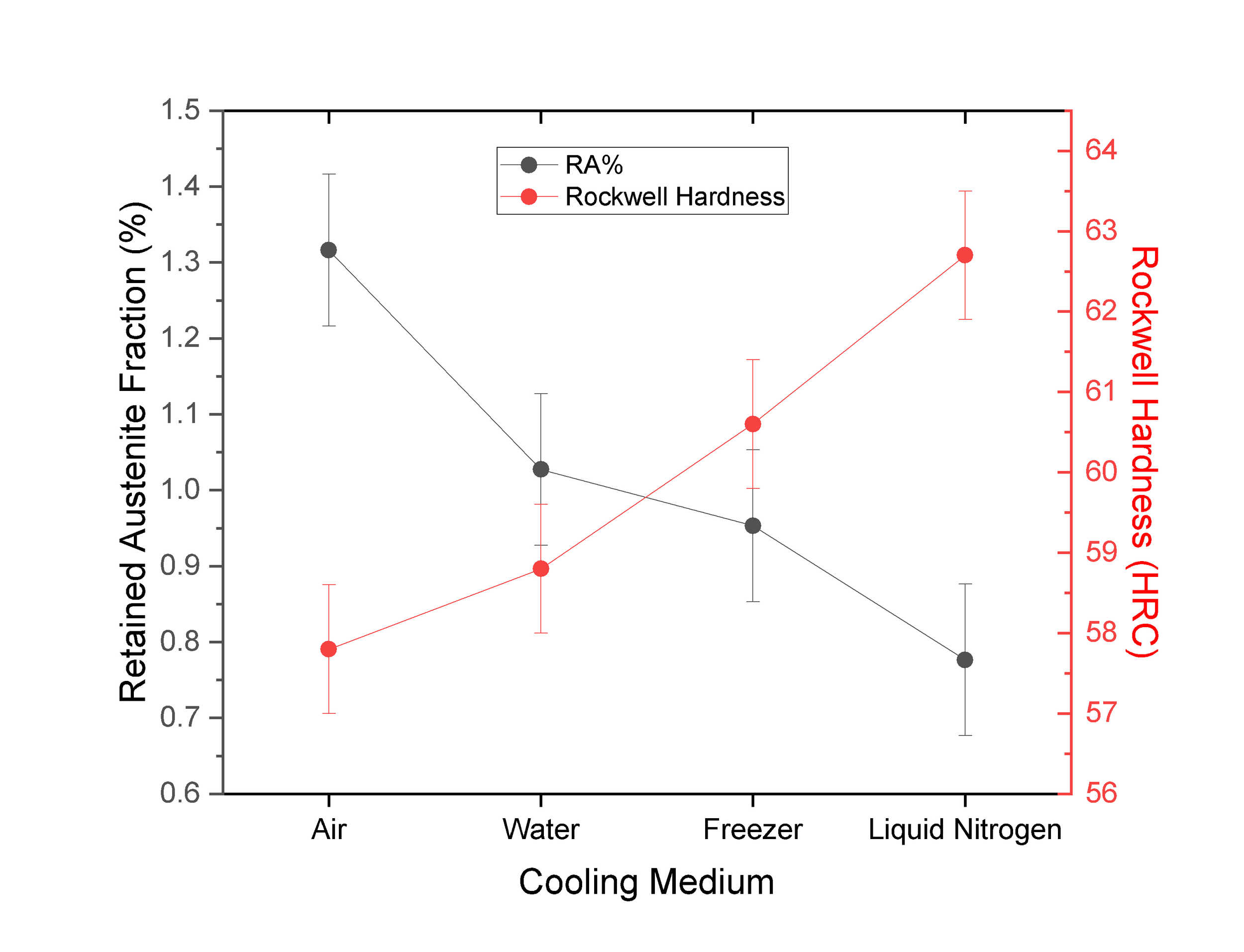
The resulting hardness was measured with the Vickers method and then converted to the units I am more familiar with: HRC. The results proved that the new alloy would reach suitable hardness levels for knives, above 60 HRC with a simple air cool and freezer cryogenic treatment.
Theo, then kindly prepare these samples to be viewed under the scanning electron microscope. Electron backscatter diffraction (EBSD) was used to study the crystallographic structure of the samples. I was amazed to learn that the internal state of our material can be identified through its visual characteristics at this magnification.
Theo mapped the body-centered-cubic like structure of the formed martensite, our hard steel) and face-centered-cubic (FCC, in this case untransformed austenite) structures to determine the amount of each sample that had transformed into martensite. The graph above,right shows the percentage of retained austenite against the resulting hardness. This shows us that the cooler we got the sample, the more austenite had been transformed into martensite and the harder the sample became.
Theo also mapped the grain orientations. He described to me how as the crystals form their uniform lattices, they don’t necessarily grow in the same direction. As they meet one another they form grain boundaries. The nature, shape and size of this grain can tell us about the physical characteristics of the steel. The long, needle-like martensitic structure contributes to high hardness. Whereas the larger more globular grains of the furnace cooled sample indicate it is likely pearlite/ferrite, which is a much softer and more ductile state of steel.
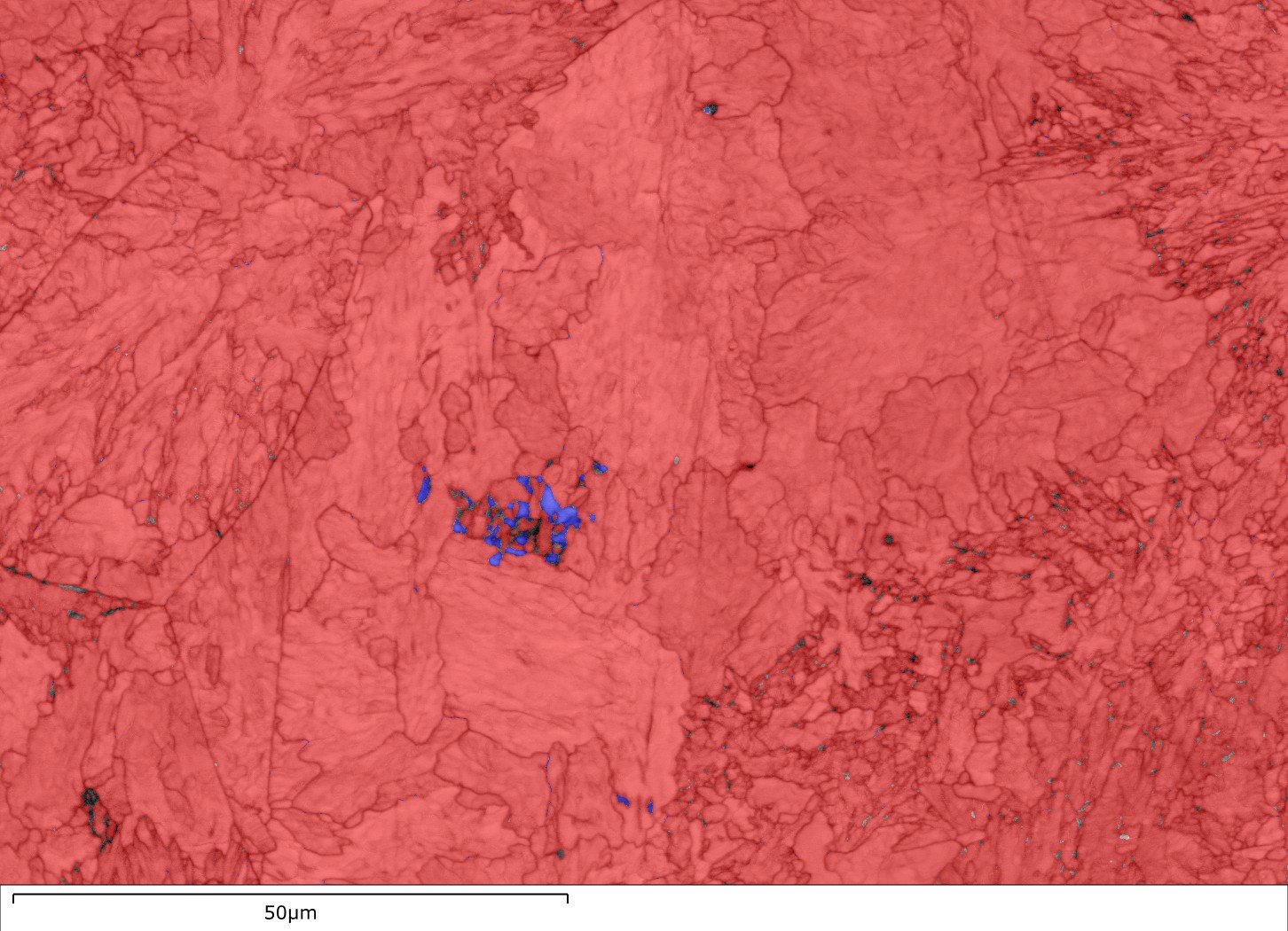
Furnace cooled. Large globular grains of pearlite/ferrite.
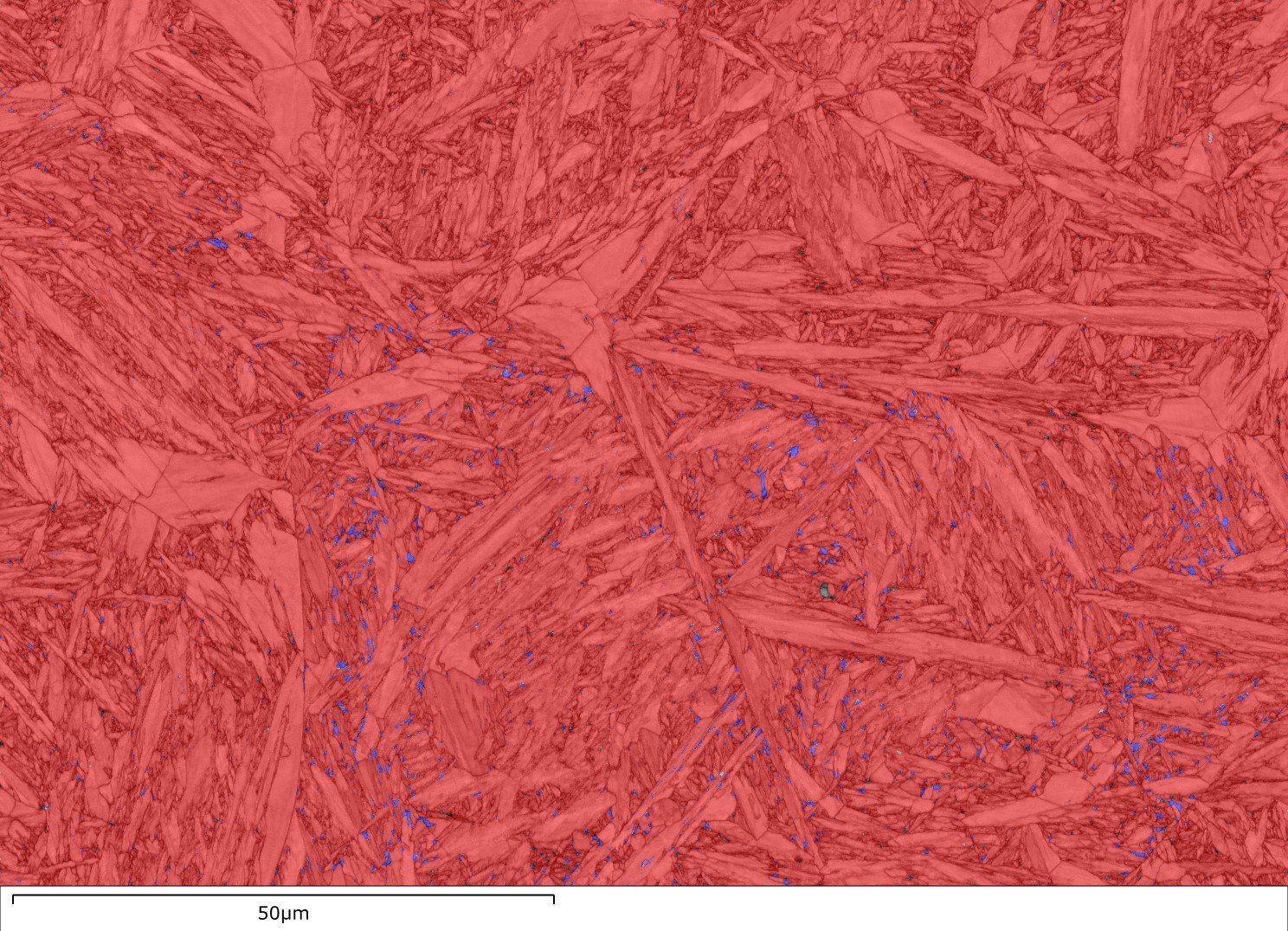
Air cooled. Long thin grains of martensite. Blue pixels are retained austenite.
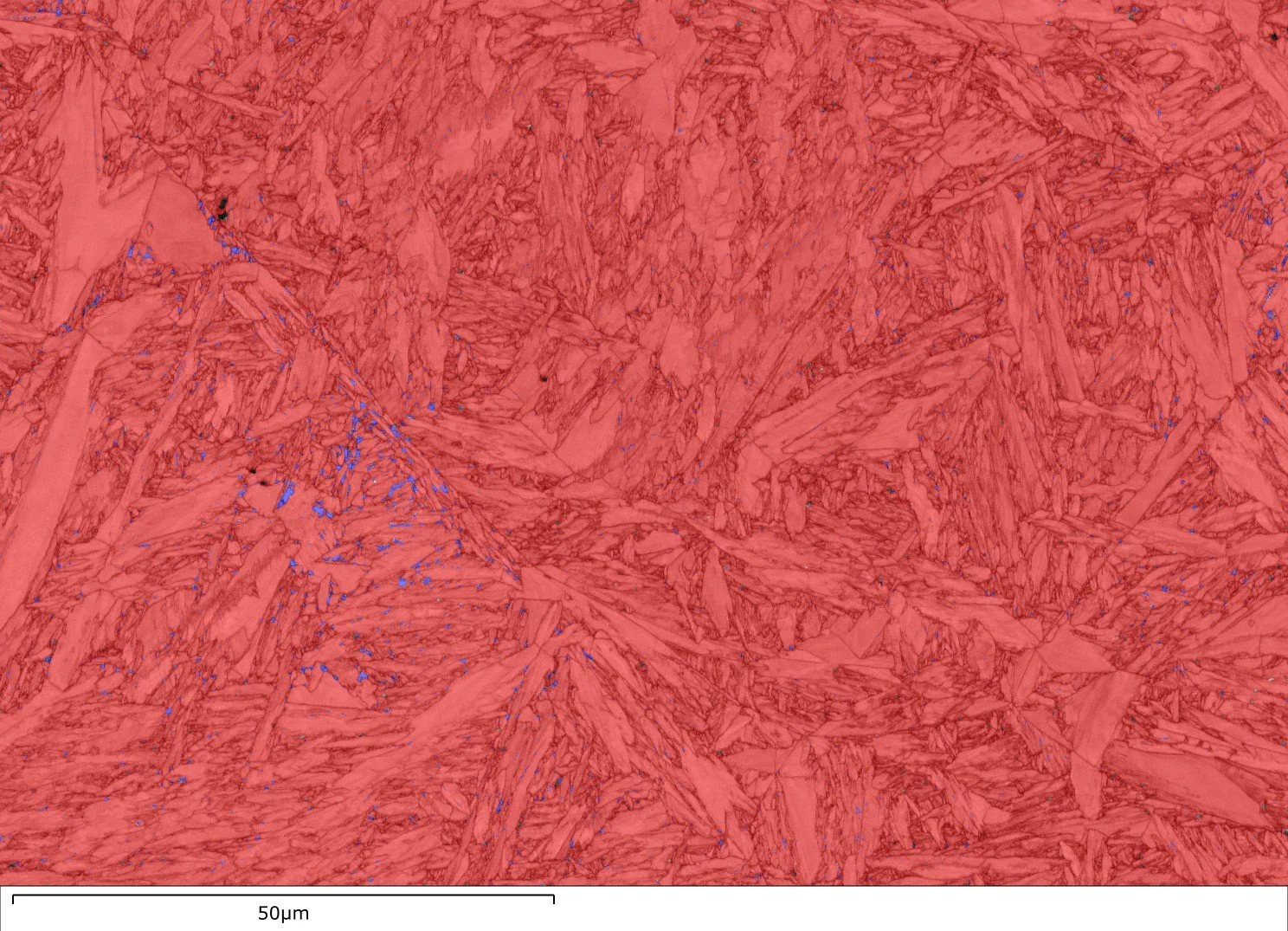
Water cooled sample
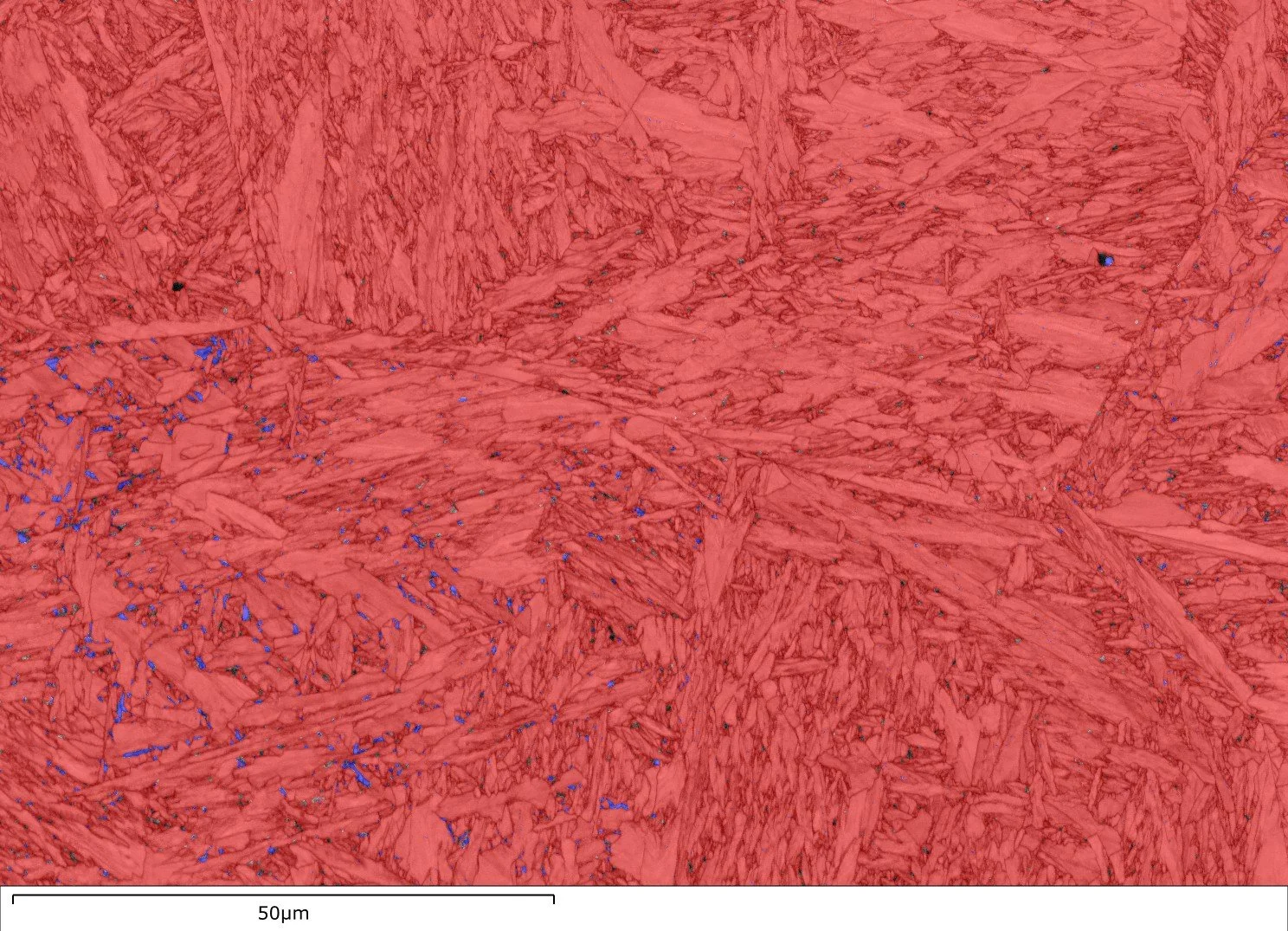
Air cooled then placed in freezer.
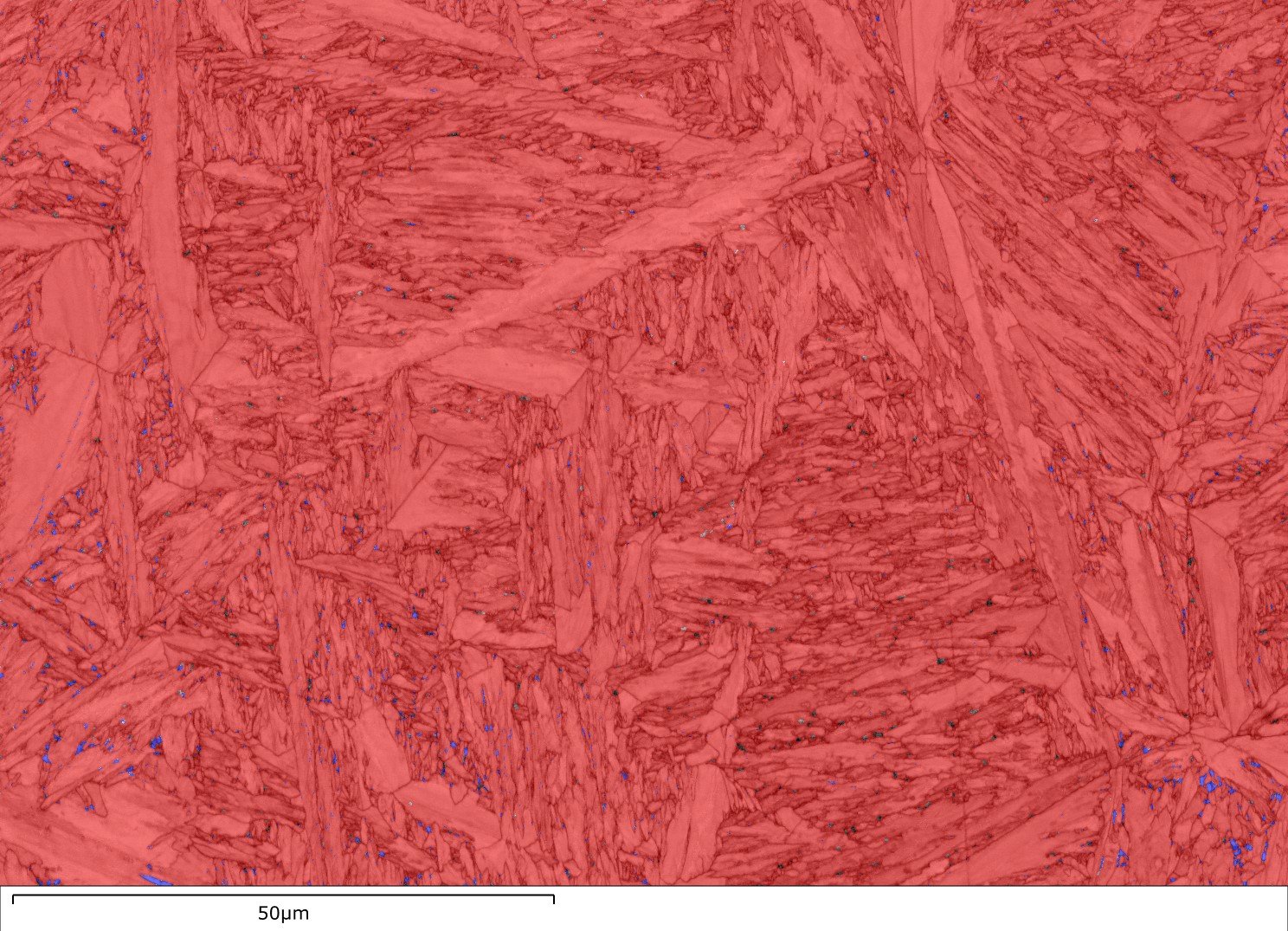
Air cooled then placed in liquid nitrogen. Note the significantly smaller amount of blue areas representing the retained austenite.
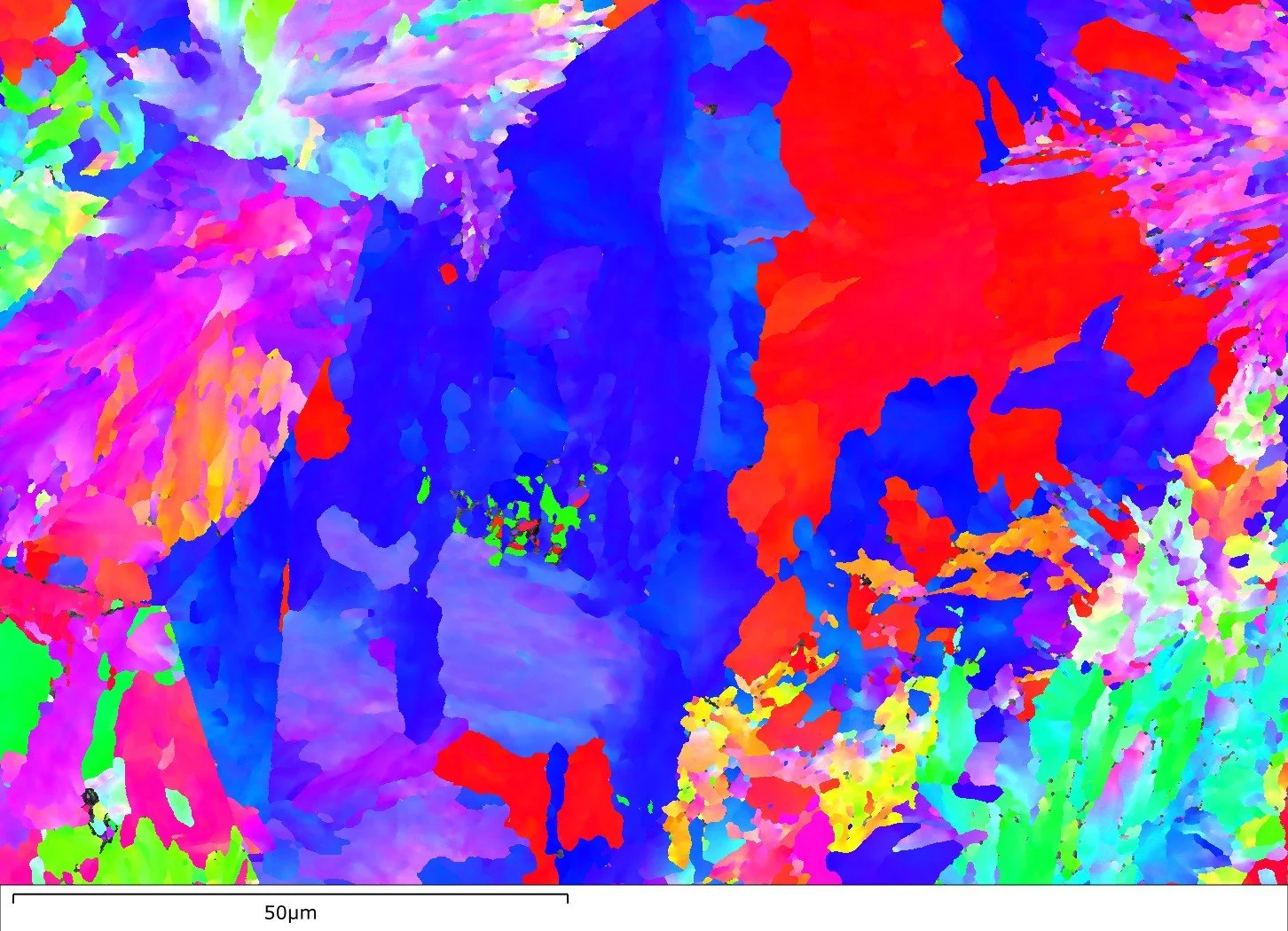
Furnace cooled grain orientation map. Note the large globular shape and size to the grains.
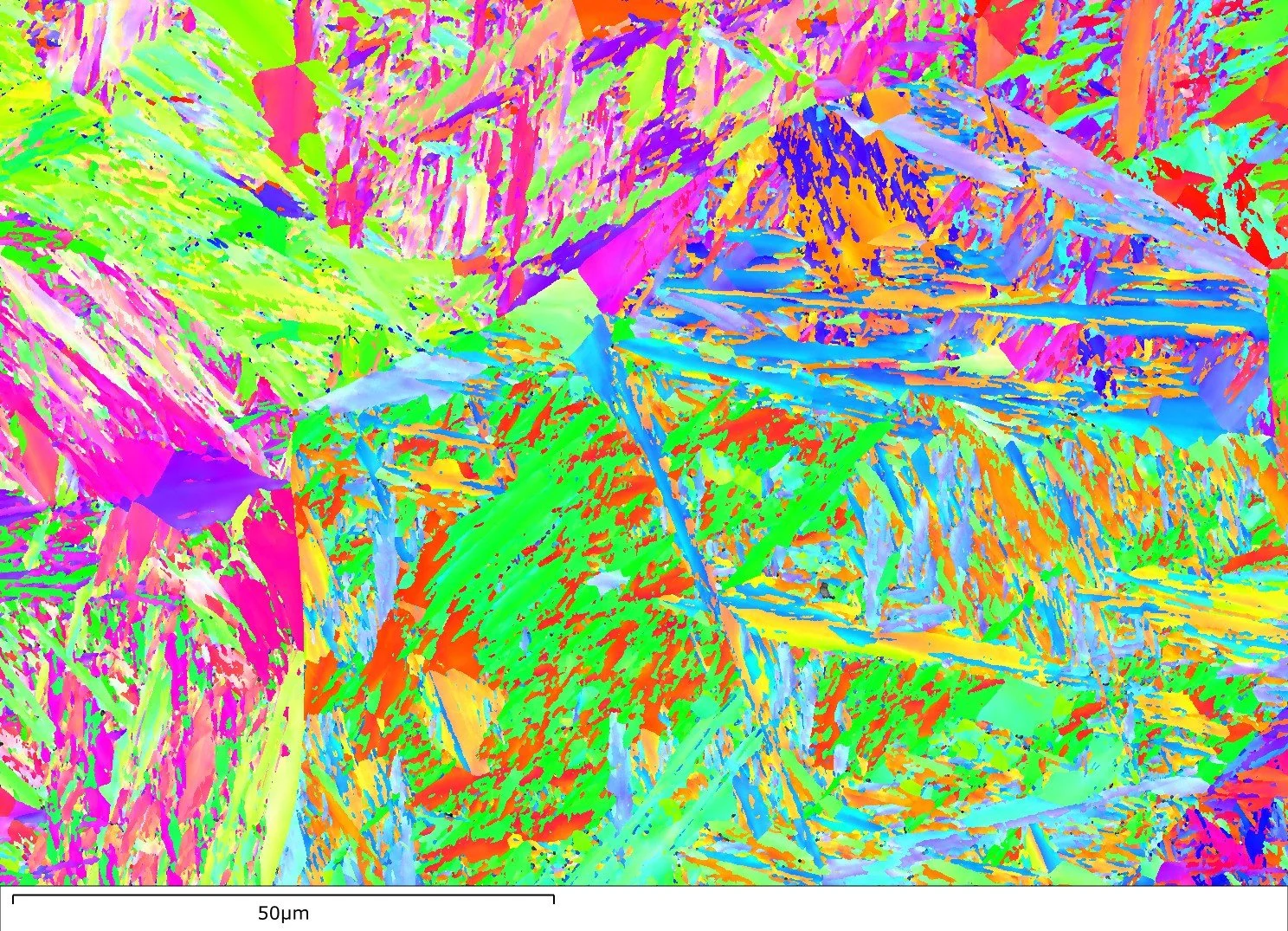
Air cooled orientation map.
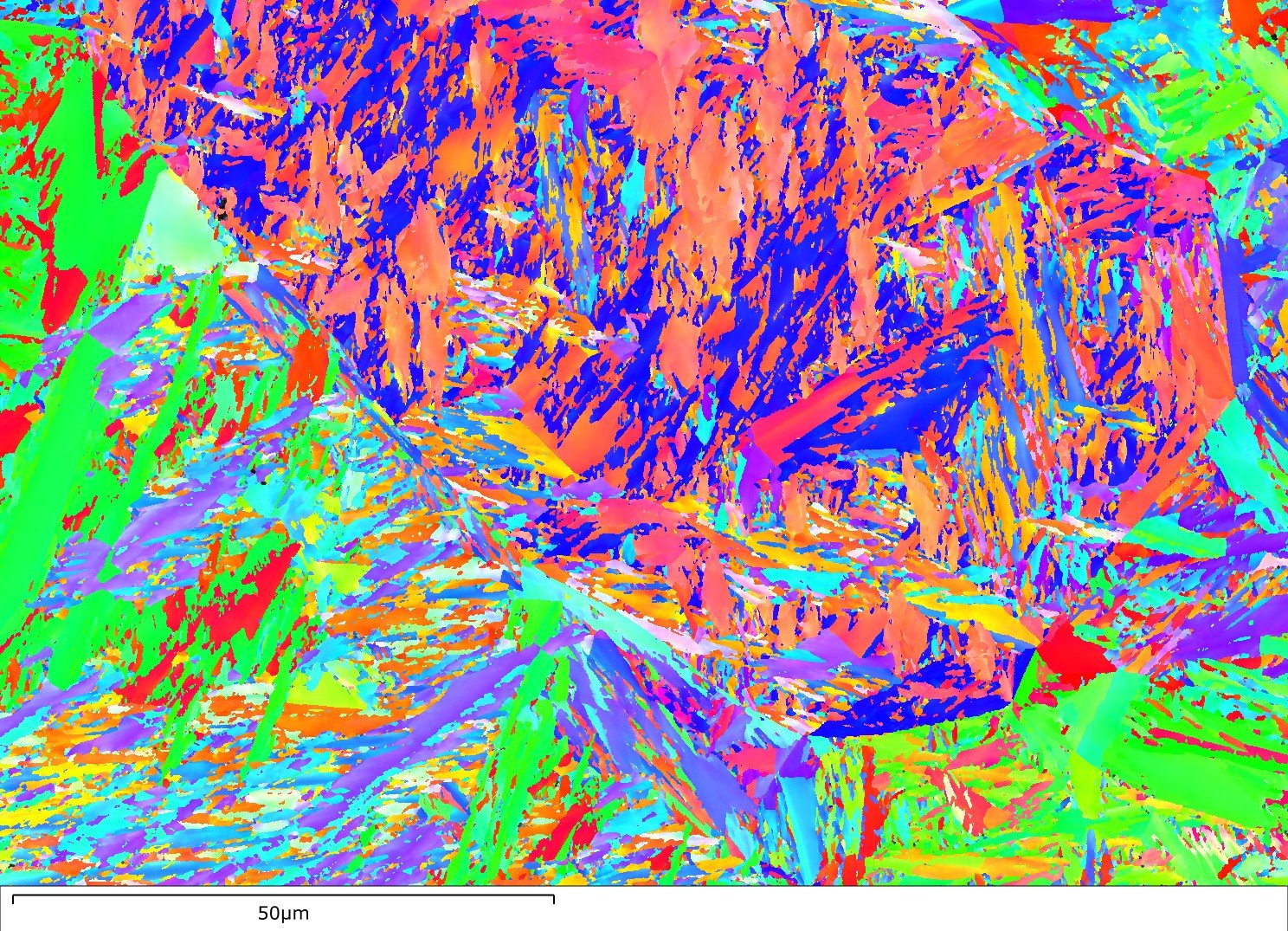
Water cooled orientation map.
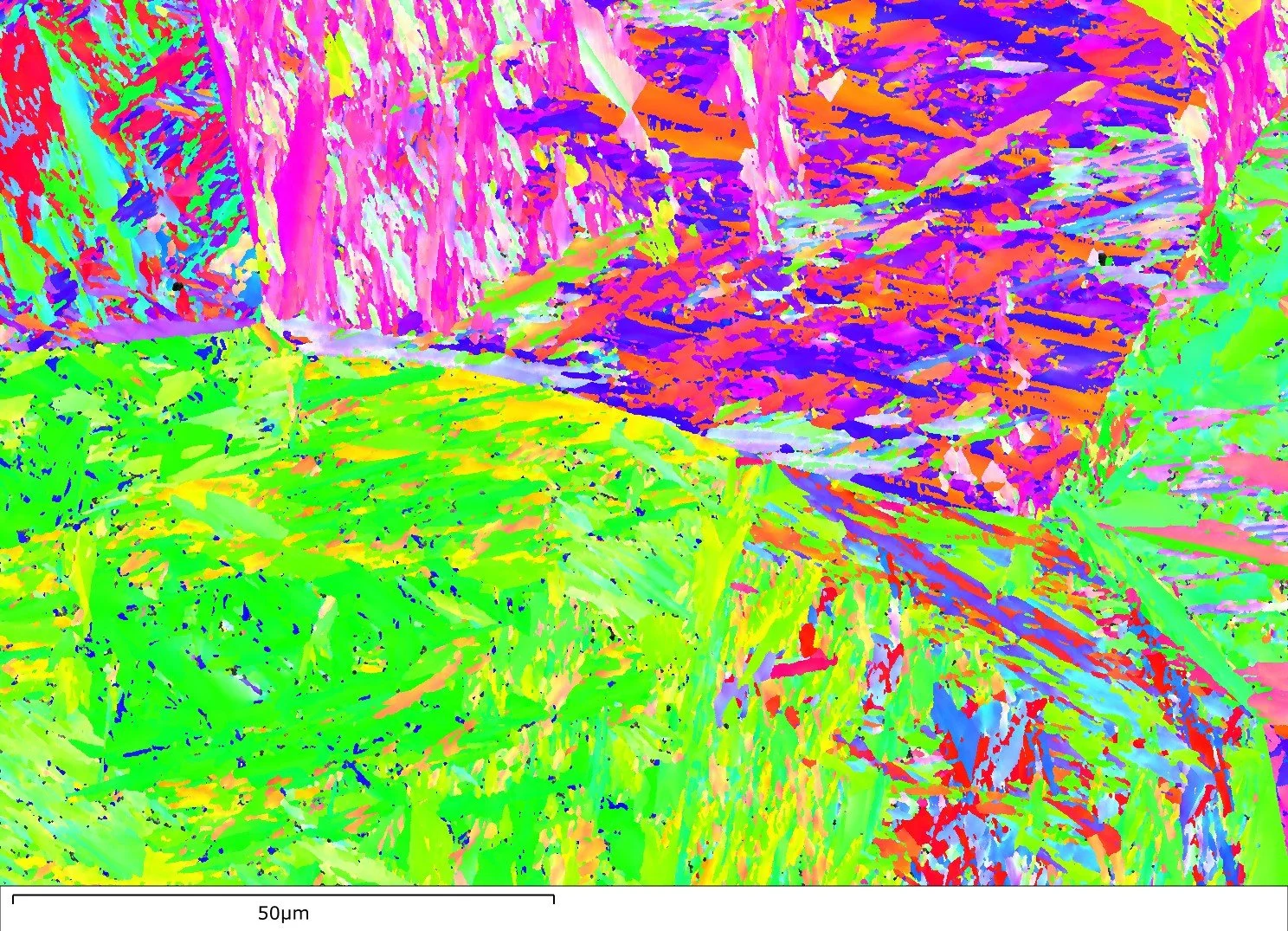
Air cooled then freezer.
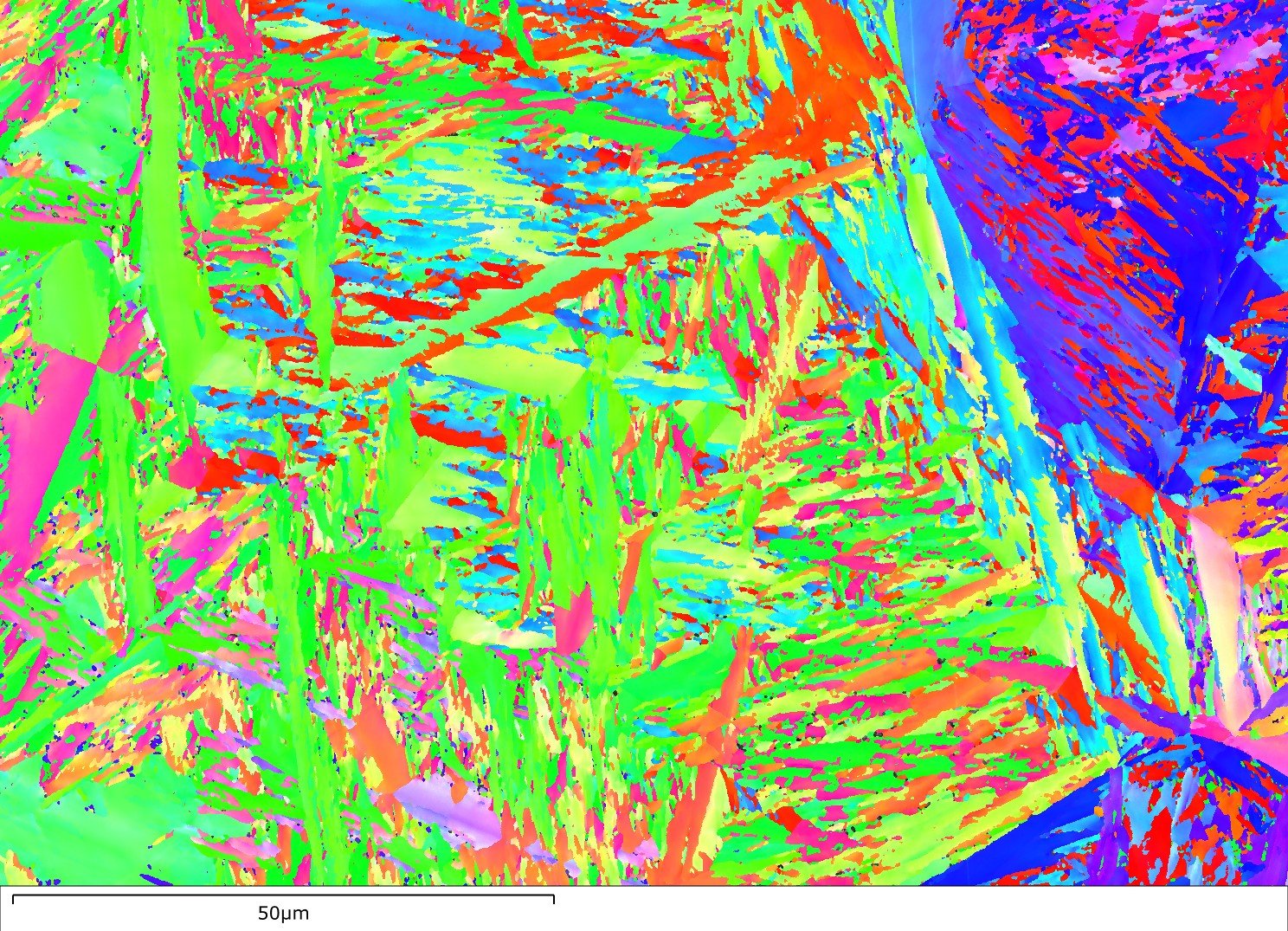
Air cooled then liquid nitrogen.
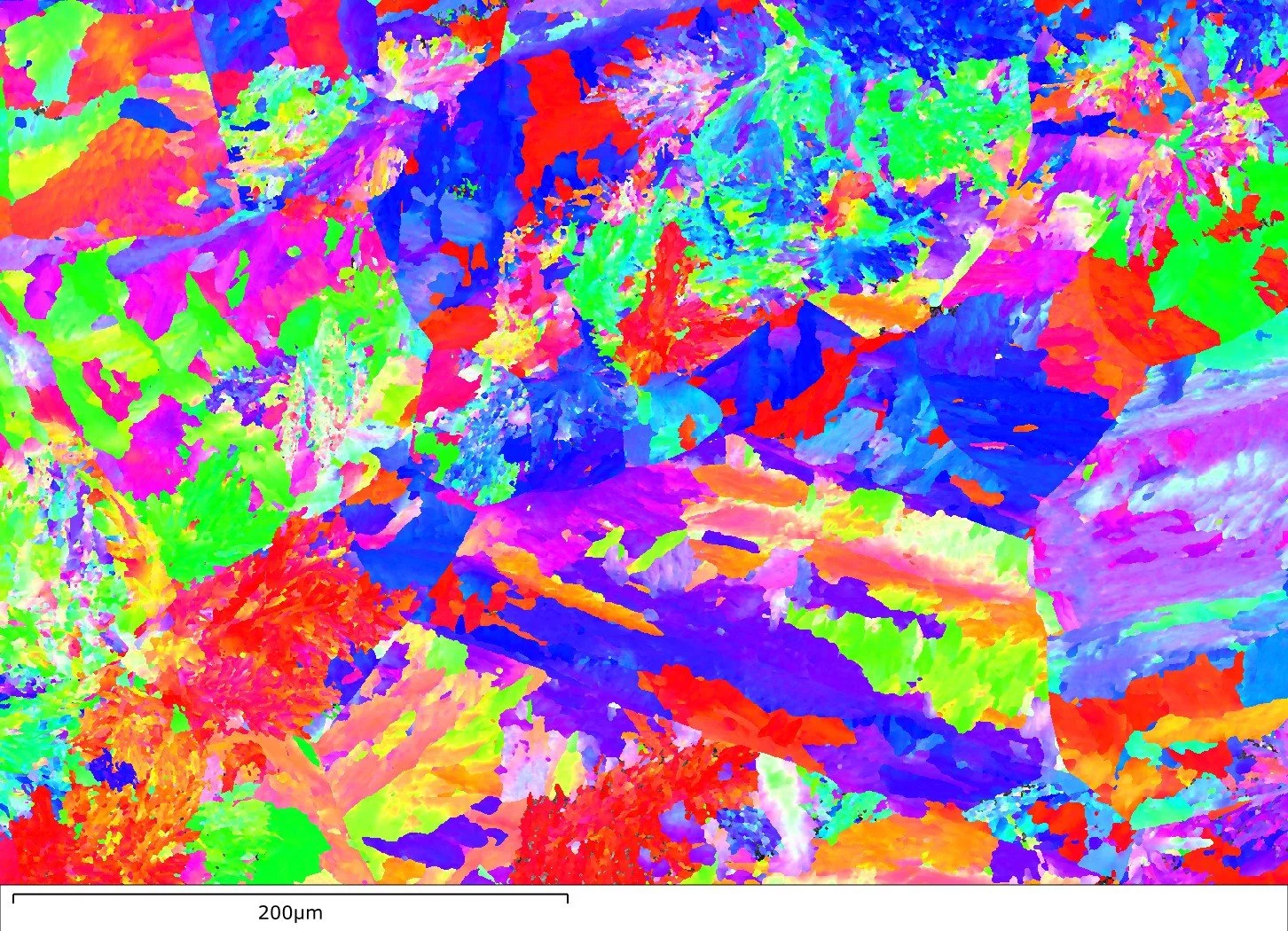
Furnace cool orientation map at lower magnification.
Thank you very much to the whole team at WMG and University of Warwick. An incredible experience experience and clearly a phenomenal place to learn and work in such an interesting field. I learnt so much during my visit. I greatly look forward to testing this new alloy in future damascus billets.
https://warwick.ac.uk/
https://warwick.ac.uk/fac/sci/wmg/